
Why Monitoring Estrogen Levels Is Essential on TRT for Optimal Results in 2025
Hey legends—if you're on Testosterone Replacement Therapy (TRT) and noticing bloating, mood swings, nipple sensitivity, or stalled fat loss despite dialed-in testosterone, unbalanced estrogen (estradiol/E2) could be sabotaging your progress. Proper estrogen monitoring and control unlock sharper mood, faster fat loss, harder muscle gains, and peak libido—without the risks of high or crashed E2.
High vs Balanced vs Low Estrogen on TRT: Key Differences
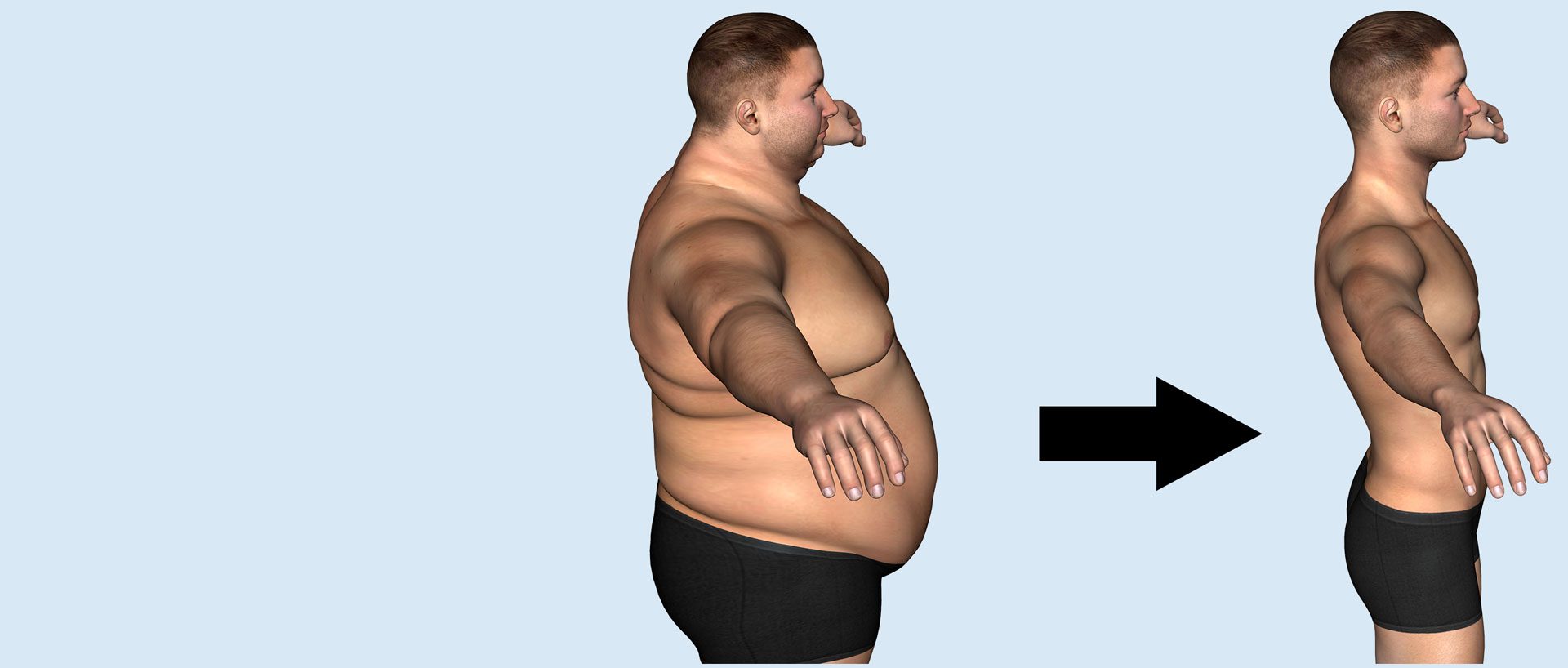
- High E2: Excess aromatization leads to bloating, gyno risk, mood issues, low libido/ED, and feminizing fat distribution.
- Balanced E2: Supports bone health, brain function, nitric oxide for erections, and synergizes with testosterone for optimal mood, energy, and body comp.
- Low E2: From over-aggressive AI use—causes joint pain, fatigue, crashed libido, and mood dips.
Symptoms of Imbalanced Estrogen: Spot Them Early
Estrogen issues often mimic low T—catch them with labs:
- High E2: Puffy nipples/sensitivity, water retention (face/ankles), emotional swings (irritability/anxiety), low libido/ED, belly/chest fat gain.
- Low E2: Joint aches, persistent fatigue, reduced sex drive, brain fog, hot flashes.
| Symptom | High Estrogen | Low Estrogen |
|---|---|---|
| Mood/Emotional | Irritability, anxiety, depression | Fog, low motivation |
| Body Composition | Bloat, gyno, stubborn fat | Joint pain, less recovery |
| Sexual Function | Low libido, ED | Crashed libido, ED |
| Energy | Fatigue from imbalance | Persistent tiredness |
Gold-Standard Monitoring: Testing and Optimal Ranges
Use sensitive LC/MS-MS assays (not standard) for accuracy. Test every 4–8 weeks initially, then quarterly once stable.
- Optimal E2: 20–30 pg/mL (common TRT clinic target for best outcomes)
- Avoid: >40 pg/mL (high risk) or <15 pg/mL (crash risk)
- Monitor: Free T, SHBG, hematocrit alongside.
Evidence-Based Management: From Lifestyle to Micro-Dosed AI
Tiered approach—start conservative:
- Reduce body fat (lowers aromatization)
- Natural support: DIM, zinc, calcium d-glucarate
- Pharma: Low-dose anastrozole (0.125–0.5 mg 1–3x/week) only if labs/symptoms confirm high E2
Unmonitored Estrogen: The Silent TRT Saboteur
High E2 stalls gains, causes bloat/gyno, and emotional issues—early control prevents irreversible problems.
Your Next Step: Dial In Estrogen for Legendary TRT Results
In 2025, precision estrogen management is non-negotiable for maximizing TRT: sharper physique, unbreakable mood, and peak performance.
Ready to optimize your E2 with lab-guided monitoring and personalized control? Our concierge clinic offers sensitive testing, virtual consults, discreet shipping, and expert protocols.